
Parenting a Wiggly Kid Without Losing Your Patience

Staying Calm in the Chaos
Parenting is a journey filled with countless joys and challenges. For parents of wiggly kids—those energetic, spirited, and often seemingly tireless children—finding ways to manage their energy without losing your patience can be particularly demanding. But fear not! With a bit of understanding, strategy, and patience, you can create a harmonious environment that nurtures both your child’s energy and your sanity.
Understanding the Wiggly Kid
Wiggly kids are often bursting with energy, curiosity, and the need to explore their world physically. This behavior isn't uncommon and can be attributed to several factors:
Developmental Stage: Young children, particularly toddlers and preschoolers, are naturally more active as they develop motor skills.
Personality Traits: Some children are inherently more energetic and need more physical activity to feel satisfied.
Environmental Stimuli: An overstimulating environment can sometimes lead to heightened energy levels.
Recognizing that these behaviors are normal and not necessarily defiant is the first step in managing them effectively.
Strategies for Managing Energy
Establish Routines
Routine provides structure and predictability, which can be calming for both children and adults. Create a daily schedule that includes time for physical activity, quiet time, meals, and bedtime. Consistency helps children know what to expect and can reduce anxiety-driven behavior.
Incorporate Physical Activity
Physical activity is essential for wiggly kids. It helps them expend energy, build motor skills, and improve focus. Here are some ways to incorporate more movement:
Outdoor Play: Encourage outdoor activities like running, jumping, or biking. Parks, playgrounds, or even your backyard can be great outlets.
Indoor Activities: On rainy days, consider activities like dancing, obstacle courses, or yoga designed for kids.
Enroll in Classes: Consider enrolling your child in activities like gymnastics, swimming, or martial arts.
Create a Calm Environment
Balance high-energy activities with calming ones. Create a space in your home dedicated to quiet activities, such as reading or puzzles. Soft lighting, soothing music, and comfortable seating can help create a relaxing atmosphere.
Set Clear Expectations
Clear, consistent expectations are crucial. Explain rules and consequences calmly and ensure your child understands them. Reinforce positive behavior with praise, and be consistent with consequences for rule-breaking.
Practice Mindfulness and Relaxation Techniques
Introduce your child to mindfulness and relaxation techniques, which can help them calm down and focus. Simple breathing exercises, guided imagery, or gentle yoga can be effective.
Embrace Flexibility
While routines are important, it's equally essential to remain flexible. Accept that some days will be more challenging than others, and adapt your approach as needed.
Maintaining Parental Patience

Practice Self-Care
Taking care of yourself is crucial. Make time for activities that rejuvenate you, whether it’s exercise, meditation, or a hobby. A relaxed parent is a more patient parent.
Take Breaks
Don’t hesitate to take breaks when needed. If you feel your patience waning, step away for a moment to regroup. This can be as simple as taking a few deep breaths in another room.
Seek Support
Don’t hesitate to reach out for support. Talk to other parents, join parenting groups, or consider counseling if you’re feeling overwhelmed. Sharing experiences and advice can be incredibly reassuring.
Focus on the Positives
Celebrate the positives in your child’s behavior. Acknowledging their strengths and achievements can shift your focus from frustration to appreciation.
Communicate with Your Child
Talk to your child about their feelings and behaviors. Encourage them to express themselves and listen actively. This not only builds trust but also helps you understand their perspective and needs.
Helpful Resources
Below you can find a great resource for you to print and go through with your child or students to help them understand their feelings and gain confidence with being a wiggly child.
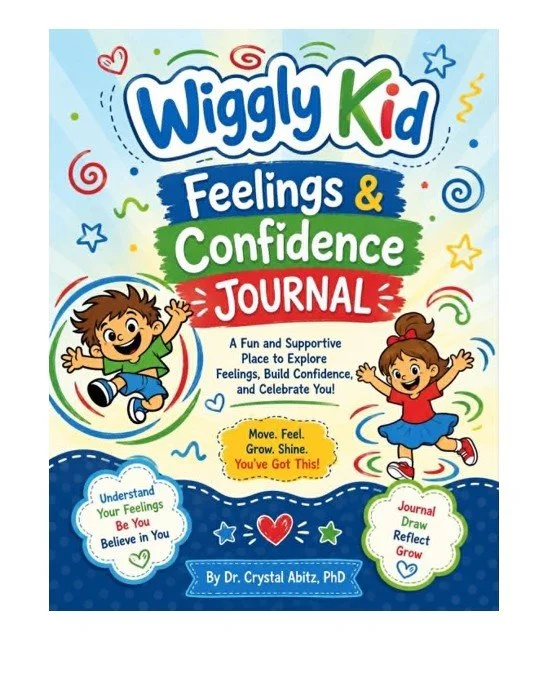
All digital sales are final. Not refundable. *Also available on Amazon.
This 50+ page kid-friendly journal is designed for ages 5-12. This journal provides fun, supportive tools that help kids understand their feelings, build confidence, and celebrate who they are. Designed by Dr. Crystal Abitz, this journal is a great tool to help children develop the following:
Emotional awareness
Self-confidence
Healthy expressions
Growth mindset
Stronger relationships
*Every kid deserves to feel good about who they are!

Books
"The Whole-Brain Child" by Daniel J. Siegel and Tina Payne Bryson - Offers insights into child behavior and strategies for nurturing development.
"Raising Your Spirited Child" by Mary Sheedy Kurcinka - Provides practical advice for understanding and parenting energetic children.
Websites
Positive Parenting Solutions: Offers resources and courses on effective parenting techniques.
Child Mind Institute: Provides articles and resources on child development and behavior management.
Support Groups
Local Parenting Groups: Check community centers or social media for groups of parents facing similar challenges.
Online Forums: Websites like Reddit or BabyCenter have active communities where parents share experiences and advice.
Conclusion
Parenting a wiggly kid presents its own set of challenges, but with understanding, structured strategies, and a focus on maintaining your patience, it can also be incredibly rewarding. Remember, you’re not alone in this journey, and there are ample resources and communities ready to support you. By fostering an environment where your child’s energy is embraced and managed, you’re setting the foundation for a healthy, happy childhood.