
Helping Overwhelmed Kids: Movements to Regulate and Relax
In today's fast-paced world, it's not uncommon for children to feel overwhelmed. From academic pressures to social challenges, kids often struggle with managing stress and emotions. Fortunately, physical movement can be a powerful tool to help regulate and calm an overwhelmed child. In this post, we'll explore various movements and activities that can aid in emotional regulation, helping your child to feel more centered and at ease.
Understanding Overwhelm in Children
Children can feel overwhelmed for a multitude of reasons. Whether it's due to sensory overload, anxiety about school, or social pressures, these feelings can manifest in different ways. Some children may become withdrawn, while others might act out or experience physical symptoms like headaches or stomachaches. Recognizing these signs is the first step in helping your child find balance.

The Science Behind Movement and Emotional Regulation
Movement has a profound impact on our brains and bodies. According to research by Harvard Health Publishing, physical activity can increase the production of endorphins, which are chemicals in the brain that act as natural painkillers and mood elevators. Furthermore, exercise promotes the release of neurotransmitters like dopamine and serotonin, which play a key role in mood regulation (Harvard Health Publishing, 2021).
For children, engaging in physical movement can help shift their focus away from stressors, providing a healthy outlet for emotions and energy. This not only aids in emotional regulation but also boosts cognitive function and improves overall well-being.
Movements to Help Regulate an Overwhelmed Child
Yoga and Mindful Movement
Yoga is an excellent way for children to practice mindfulness while engaging in gentle, controlled movements. Simple poses like the Child's Pose, Cat-Cow, and Tree Pose can help children focus on their breath and body, promoting relaxation and reducing anxiety. Introducing a short yoga routine in the morning or before bedtime can set a positive tone for the day or help unwind from daily stress.
Dance and Creative Expression
Dance offers a fun and expressive way for children to move their bodies. Allowing kids to dance freely to their favorite music can encourage self-expression and release pent-up emotions. Dance can also enhance coordination and improve mood, making it a fantastic option for emotional regulation. Consider enrolling your child in a dance class or simply having a regular dance party at home.
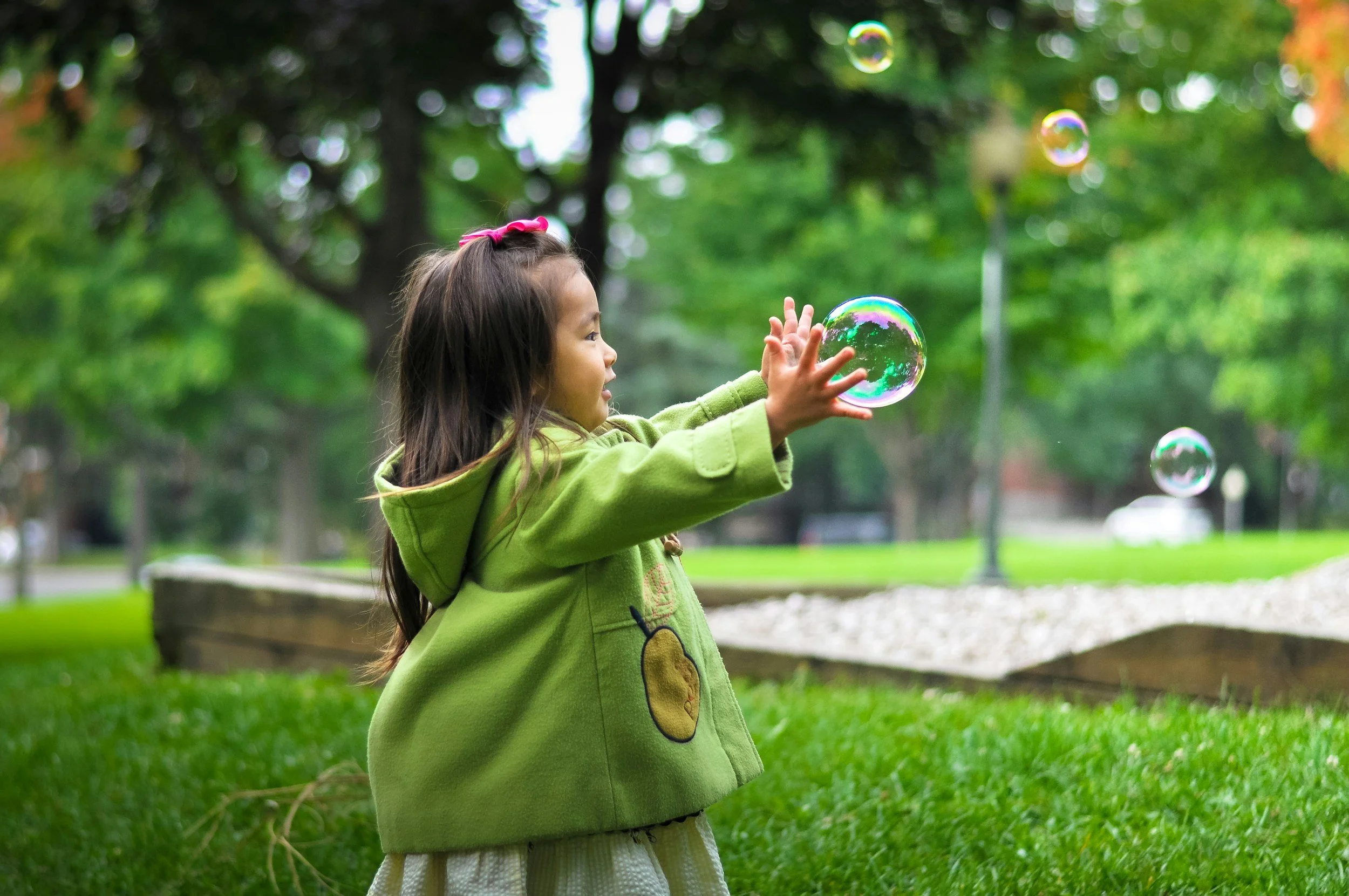
Nature Walks and Outdoor Play
Spending time in nature can have calming effects on both children and adults. A study published in the journal Frontiers in Psychology suggests that exposure to natural environments can reduce stress and improve mood (Bratman et al., 2019). Encourage your child to take a walk in a nearby park, explore a nature trail, or simply play outdoors. The combination of fresh air, movement, and natural surroundings can be incredibly grounding.
Breathing Exercises and Gentle Stretching
Deep breathing exercises can help children shift their focus from overwhelming thoughts to their breath, promoting relaxation. Teach your child simple breathing techniques, such as inhaling deeply through the nose, holding the breath for a few seconds, and then exhaling slowly through the mouth. Pairing these exercises with gentle stretching can further help release tension and calm the mind.
Playful Movement Games
Games that incorporate movement can be both fun and therapeutic for children. Activities like “Simon Says,” “Follow the Leader,” or even a scavenger hunt around the house can encourage kids to move while engaging their imagination. These games not only provide a physical outlet but also foster social interaction and cooperation.
Implementing Movement into Daily Routines
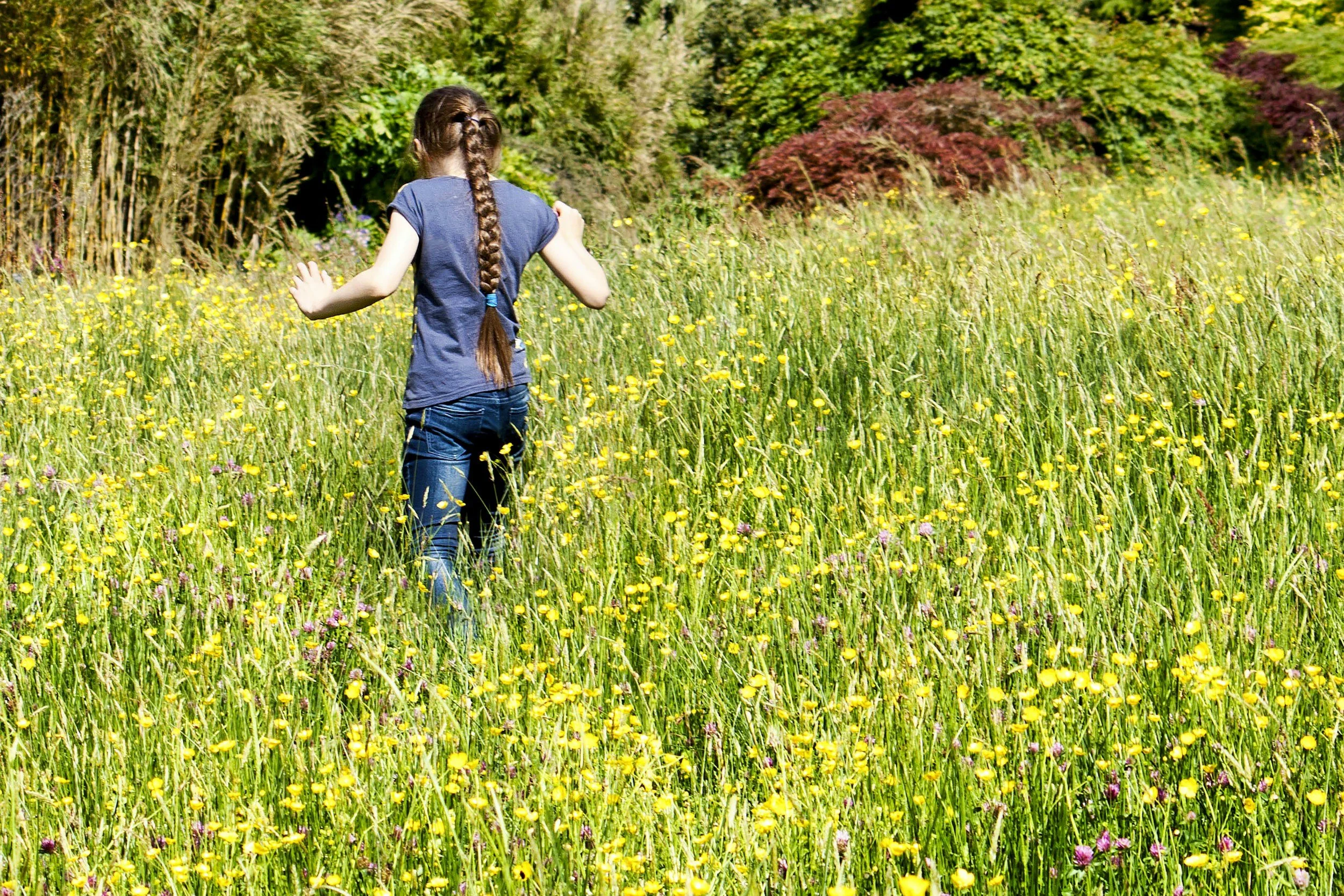
Be Consistent!
Consistency is key when it comes to reaping the benefits of movement for emotional regulation. Here are some tips to help integrate these activities into your child's daily routine:
Set a Regular Schedule: Designate specific times for movement activities, such as after school or before bedtime, to create a sense of routine and predictability.
Be a Role Model: Participate in movement activities with your child to show enthusiasm and support. Your involvement can motivate them to engage more fully.
Create a Safe Space: Ensure that the environment where your child engages in movement is safe and free from distractions. This will help them focus on the activity and its benefits.
Encourage Variety: Offer a range of movement options to keep things interesting and cater to your child’s preferences. This variety can prevent boredom and encourage regular participation.
Celebrate Progress: Acknowledge and celebrate your child's efforts and improvements, whether it's mastering a new yoga pose or expressing themselves through dance. Positive reinforcement can boost confidence and motivation.
Conclusion
Helping an overwhelmed child find balance through movement can be a rewarding journey for both the child and the caregiver. By incorporating activities like yoga, dance, nature walks, and playful games into their routine, children can learn to manage their emotions more effectively. Remember, the goal is not perfection but progress. As you explore these movement-based strategies, your child will gradually develop the skills needed to regulate their emotions and thrive. By creating a supportive environment and encouraging healthy movement habits, you’re empowering your child to navigate life's challenges with resilience and grace.
References
Bratman, G. N., et al. (2019). Nature and mental health: An ecosystem service perspective. Frontiers in Psychology, 10, 2673. https://doi.org/10.3389/fpsyg.2019.02673
Harvard Health Publishing. (2021). Exercising to relax. Harvard Medical School. Retrieved from https://www.health.harvard.edu/staying-healthy/exercising-to-relax