
Why Some Children Need to Fidget, Move, or Wiggle to Learn
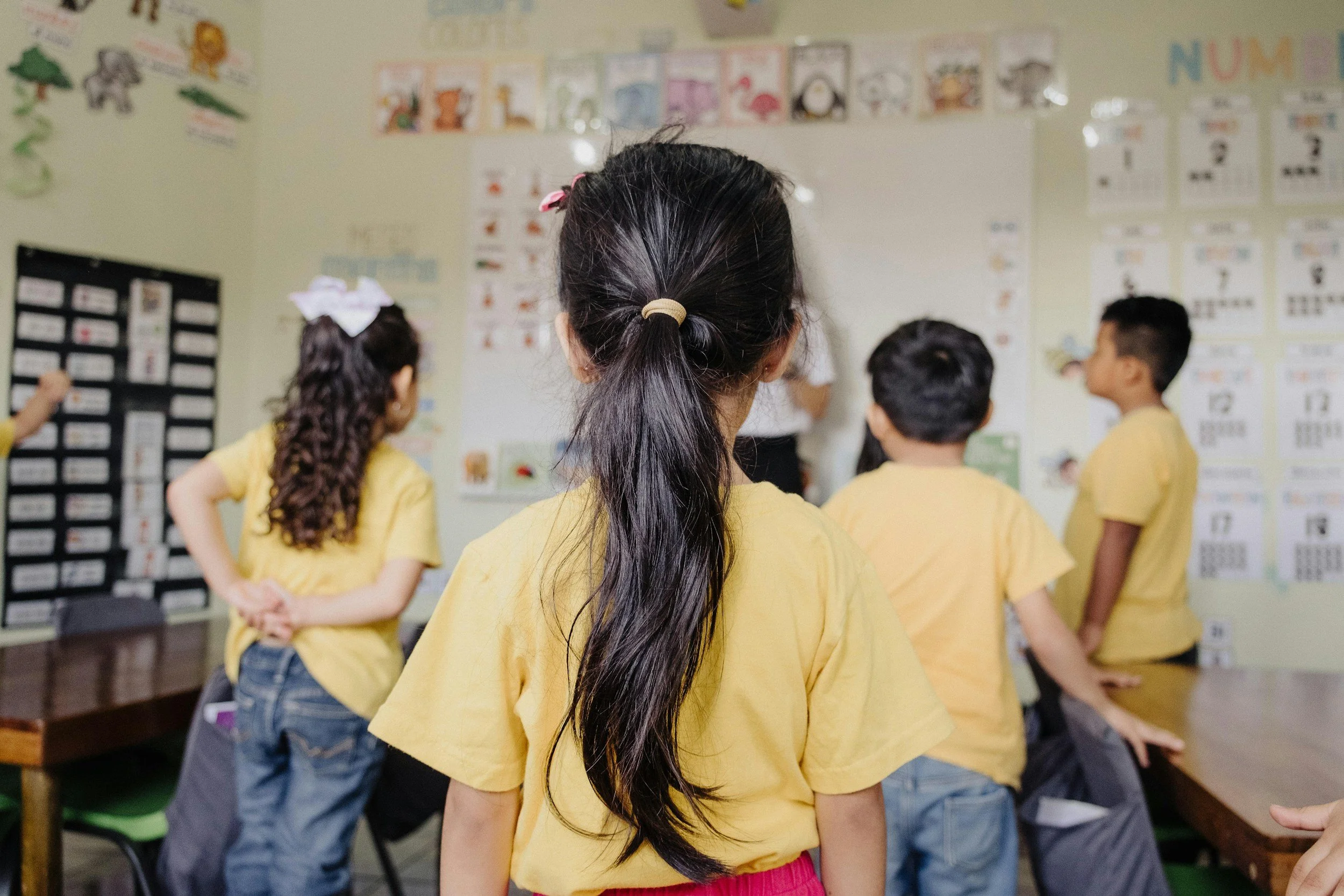
Supporting Active Learners
In the traditional classroom setting, students are often expected to sit still, listen attentively, and minimize movement to focus on learning. However, this conventional approach may not cater to the needs of all students, particularly those who thrive on movement and physical engagement. For some children, the act of moving, fidgeting, or wiggling is not a distraction but a crucial component of their learning process. This blog post delves into the reasons why movement is essential for some learners and explores how educators and parents can harness this energy to enhance educational outcomes.
Understanding Kinesthetic Learners
Kinesthetic learners are individuals who learn best through movement and physical activities. According to Howard Gardner's theory of multiple intelligences, kinesthetic intelligence involves using one's body to express ideas and solve problems. These learners often find it challenging to sit still for extended periods and may benefit from hands-on activities, experiments, and physical engagement.
Research indicates that kinesthetic learners, who make up a significant portion of the student population, often excel in environments that allow them to move freely and engage with materials actively. Studies have shown that when these learners are allowed to incorporate physical activity into their studies, they tend to have better academic performance and improved concentration (Pica, 2006).
The Science Behind Movement and Learning
The connection between movement and learning is deeply rooted in the brain's functioning. Movement stimulates the release of neurotransmitters, such as dopamine and norepinephrine, which play a critical role in attention, motivation, and memory (Ratey, 2008). Physical activity also enhances the brain's plasticity, making it more adept at forming new neural connections—essential for learning new information.
Moreover, movement increases blood flow and oxygen supply to the brain, which can improve cognitive functions, including thinking, problem-solving, and concentration. A study by the University of Illinois found that physical activity led to improvements in students' attention spans and academic performance, particularly in subjects like mathematics and reading (Hillman et al., 2009).
The Role of Sensory Processing
Children who need to move to learn may also experience differences in sensory processing. Sensory processing refers to how the nervous system receives messages from the senses and turns them into responses. Some children, particularly those with sensory processing disorder (SPD), may require additional sensory input to focus and process information effectively.
Fidgeting, wiggling, or other forms of movement can provide this necessary sensory input. For instance, a child who taps their foot or uses a fidget spinner might be seeking proprioceptive input, which helps them feel grounded and focused. Allowing these movements can help children regulate their sensory needs, ultimately supporting their learning process. Below you can find a great resource for you to print and go through with your child or students to help them understand their feelings and gain confidence with being a wiggly child.
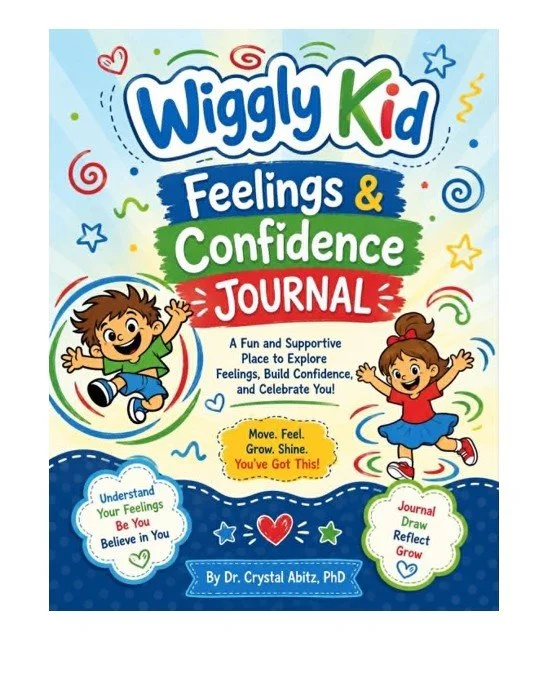
All digital sales are final. Not refundable. *Also available on Amazon.
This 50+ page kid-friendly journal is designed for ages 5-12. This journal provides fun, supportive tools that help kids understand their feelings, build confidence, and celebrate who they are. Designed by Dr. Crystal Abitz, this journal is a great tool to help children develop the following:
Emotional awareness
Self-confidence
Healthy expressions
Growth mindset
Stronger relationships
*Every kid deserves to feel good about who they are!
Strategies for Supporting Movement in Learning

Let Them Move!
Recognizing the importance of movement for certain learners, educators and parents can implement strategies to accommodate these needs while maintaining an effective learning environment.
1. Incorporate Movement Breaks
Incorporating short, frequent movement breaks throughout the day can help kinesthetic learners reset and refocus. Activities such as stretching, jumping jacks, or a quick walk around the classroom can provide the necessary physical engagement.
2. Use Flexible Seating Options
Offering flexible seating options, such as exercise balls, standing desks, or wobble chairs, allows students to move and adjust their positions as needed. This flexibility can help reduce restlessness and improve focus.
3. Integrate Hands-On Learning
Hands-on learning activities, such as experiments, role-playing, or building models, cater to kinesthetic learners by allowing them to engage physically with the material. These activities can make abstract concepts more tangible and memorable.
4. Encourage Active Participation
Encouraging active participation through games, group activities, and interactive lessons can keep kinesthetic learners engaged. Movement-based activities, like acting out a scene from a book or using gestures to explain a concept, can enhance understanding and retention.
5. Provide Fidget Tools
Allowing the use of fidget tools, such as stress balls, fidget spinners, or putty, can help students channel their energy productively without disrupting others. These tools can provide the sensory input needed to maintain attention.
The Importance of Individualized Learning Approaches

Everyone is Unique
It's important to acknowledge that each child is unique, and a one-size-fits-all approach to education is unlikely to meet the diverse needs of all learners. By recognizing and accommodating different learning styles, educators and parents can create inclusive environments that foster success for every student.
Individualized learning approaches, which consider a child's strengths, preferences, and challenges, are vital in supporting kinesthetic learners. By embracing movement as a legitimate part of the learning process, we can help children reach their full potential and develop a lifelong love of learning.
For some children, movement is not a distraction but a fundamental aspect of effective learning. Understanding the role of kinesthetic intelligence, sensory processing, and the brain's response to physical activity can help educators and parents support these learners in meaningful ways. By integrating movement into educational settings, we can create more inclusive and effective learning environments that cater to the needs of all students.
Incorporating movement and allowing flexibility in learning can not only improve academic performance but also foster a positive attitude towards education. As we continue to explore and understand the diverse ways in which children learn, it becomes increasingly clear that movement is an essential part of the equation for many learners.
References
Gardner, H. (1983). Frames of Mind: The Theory of Multiple Intelligences. New York: Basic Books.
Hillman, C. H., Erickson, K. I., & Kramer, A. F. (2009). Be smart, exercise your heart: Exercise effects on brain and cognition. Nature Reviews Neuroscience, 9(1), 58-65.
Pica, R. (2006). Moving & Learning: The Elementary School Years. Thomson Delmar Learning.
Ratey, J. J. (2008). Spark: The Revolutionary New Science of Exercise and the Brain. Little, Brown and Company.