
Strategies for Regulating the Child’s Nervous System
Signs of Dysregulated Nervous System
Children with an overactive nervous system may exhibit signs such as:
Constant movement: They may have difficulty sitting still or staying in one place.
Difficulty focusing: Keeping attention on tasks such as homework can be challenging.
Impulsivity: They might act without thinking, often interrupting or talking over others.
Emotional reactivity: Quick to anger or get upset without apparent reason.
Understanding these signs is the first step in helping your child find balance and calm.
Strategies for Regulating

Physical Activity
Physical activity is one of the most effective ways to help children regulate their nervous system. Encourage your child to participate in activities that involve large muscle groups, such as running, jumping, or swimming. These activities provide an outlet for pent-up energy and help the body release endorphins, which are natural mood lifters.
Mindfulness and Breathing Exercises
Teaching children mindfulness and breathing exercises can significantly help in calming an overactive nervous system. Simple breathing techniques, such as deep belly breaths, can activate the parasympathetic nervous system. Encourage your child to spend a few minutes each day focusing on their breath, inhaling deeply through the nose and exhaling slowly through the mouth.
Sensory Activities
Sensory activities can help children who are sensitive to stimuli regulate their responses. Activities such as playing with kinetic sand, using stress balls, or even listening to calming music can provide the sensory input they need to feel grounded.
Routine and Structure
Establishing a consistent daily routine can provide the predictability and security children need to feel calm. Make sure to include regular meal times, sleep schedules, and designated times for play and relaxation. This structure helps keep the nervous system balanced by reducing unknowns and potential stressors.
Nutrition and Hydration
A well-balanced diet is crucial for maintaining a healthy nervous system. Ensure your child consumes a variety of fruits, vegetables, proteins, and whole grains. Staying hydrated is equally important, as dehydration can exacerbate feelings of anxiety and restlessness.
Sleep Hygiene
Adequate sleep is vital for a well-regulated nervous system. Create a bedtime routine that helps your child wind down. This might include a warm bath, reading a story, or listening to calming music. Ensure the bedroom environment is conducive to sleep—cool, dark, and free from distractions.
Therapeutic Interventions
If your child continues to struggle with regulating their nervous system, it may be beneficial to consult with a professional. Occupational therapists or child psychologists can provide tailored strategies and interventions that address your child’s specific needs.
Calmness is Possible

Be Patient and Consistent
Regulating the nervous system is key to helping wiggly children find their calm. By understanding the underlying causes of their restlessness and implementing these strategies, parents can support their children in achieving balance and focus. It’s a journey that requires patience and consistency but can lead to significant improvements in a child's ability to manage their energy and emotions. Remember, every child is unique, so it’s important to tailor these strategies to fit your child’s individual needs.
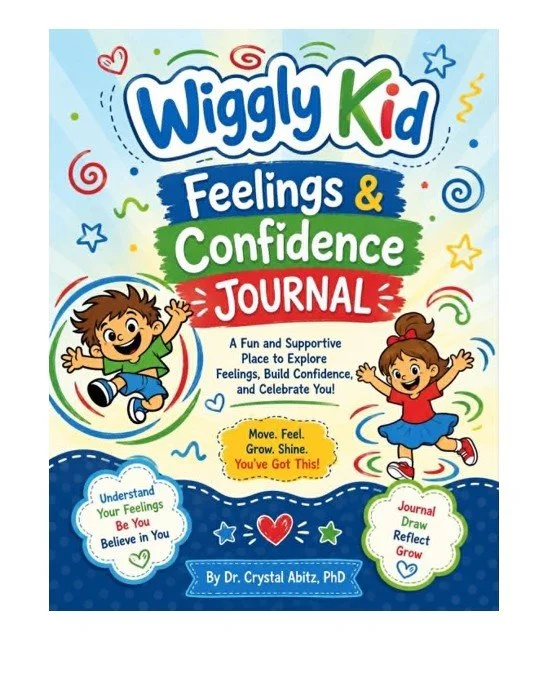
Below you can find a great resource for you to print and go through with your child or students to help them understand their feelings and gain confidence with being a wiggly child.
All digital sales are final. Not refundable. *Also available on Amazon.
This 50+ page kid-friendly journal is designed for ages 5-12. This journal provides fun, supportive tools that help kids understand their feelings, build confidence, and celebrate who they are. Designed by Dr. Crystal Abitz, this journal is a great tool to help children develop the following:
Emotional awareness
Self-confidence
Healthy expressions
Growth mindset
Stronger relationships
*Every kid deserves to feel good about who they are!